Growing underground: Understanding what lies beneath
Soils and growing media are critical to plant health as they support roots while supplying the water, air and nutrients plants need for healthy growth. They also influence drainage, moisture balance and pH, so poor soil or growing media can limit plant performance even when other conditions are favourable. Without substrates we would not have an industry, or life, for that matter! In much the same way, without reliable access to fuel and fertiliser, the greenlife sector would have little capacity to grow in any media.
The Middle East conflict places continued pressure on fuel and fertiliser prices and supply, both essential to the horticultural industry. United Nations (UN) Trade and Development says that the Strait of Hormuz is one of the world’s most critical maritime chokepoints, carrying around a quarter of global seaborne oil trade and significant volumes of liquefied natural gas and fertilisers. The Federal Government is responding to the challenge of this strait’s recent closures with its National Fuel Security Plan. This plan is guided by 4 response levels:
- Plan and prepare
- Keeping Australia moving
- Taking targeted action
- Protecting critical services for all Australians
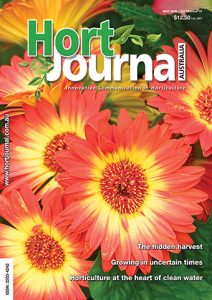
At the time of writing, Australia is operating at Level 2: Keep Australia moving. This means fuel supplies are continuing, but there are pressures on the system, including the recent Geelong refinery fire which has disrupted production. The Federal Government says it is taking precautionary actions to shore up fuel supply, and asks that Australians, both individuals and businesses, only buy the fuel they need, make voluntary choices to use less and avoid the impact of higher fuel prices. That is easier said than done, especially in a horticultural business. However, John Fitzsimmons addresses this issue in his article ‘Growing in uncertain times’ and provides advice to nurseries on how they can reduce their fertiliser usage.
Returning to our ‘Growing underground’ theme, we have articles on biochar, rain gardens and green infrastructure, all of which will help you to better understand that the actions you take ‘underground’, be that in a pot or a garden bed, directly influence the outcomes of your growing or gardening efforts. Those of you with a keen eye for detail will note that while this issue’s ‘Plant’ Palette’ by Caleb Roberts does include plant advice, it technically focuses on a species outside the Plantae kingdom. Which species? Well, you will just have to read Caleb’s article to find out! However, I can say that the hero of this piece does grow underground and has a very special, symbiotic relationship with certain trees.
Elsewhere, we continue with the Women in Horticulture theme that we started in our March 2026 issue to celebrate International Women’s Day. In this issue, find out how one production nursery is fostering inclusive and diverse leadership in ‘Women find a working oasis’. If you are a young woman (or man!) working in horticulture, you may be inspired by the stories and experiences shared in ‘Growing futures through Global Footprints’.
And last but not least, you will find numerous reports, with pictures, regarding the recent 2026 Melbourne International Flower and Garden Show in the following pages. Enjoy!
Until next time,
Gabrielle Stannus and your Hort Journal team