
Saturday, April 18, 2026

Landscape

LandscapeScaled design

The fractal advantage: Multiplying niches through scaled design

By Erik van Zuilekom

Nature does not repeat itself randomly. Look closely at a river delta, a fern frond or the branching of your own arteries and you will see the same geometric logic recurring at every scale. When this principle is applied to landscape design, integrated ecologies do not simply persist, they multiply.Continue reading

Read More
Garden DesignLandscape

Gardens of lasting beauty

By Patrick Regnault

Designing a garden that lasts more than a few years seems to be more of a challenge these days when compared to previous centuries. The fast pace of change and our desire for constant renewal accompanied by quick results are not conducive to a generational view of landscape design.Continue reading

Read More
Green InfrastructureLandscape

Building living infrastructure

Why more women are choosing trade pathways

By Michael Casey

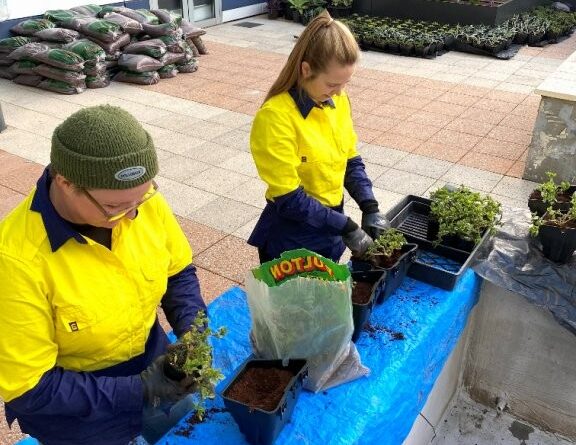
If you have spent any time on a green roof installation, a streetscape retrofit or a living wall maintenance visit, you will have noticed the shift: crews are changing, conversations are changing, and so is what ‘good trade work’ looks like in green infrastructure, which matters because the work ahead is significant.Continue reading

Read More
LandscapeLandscape Design

Better with age

By Lynne Testoni

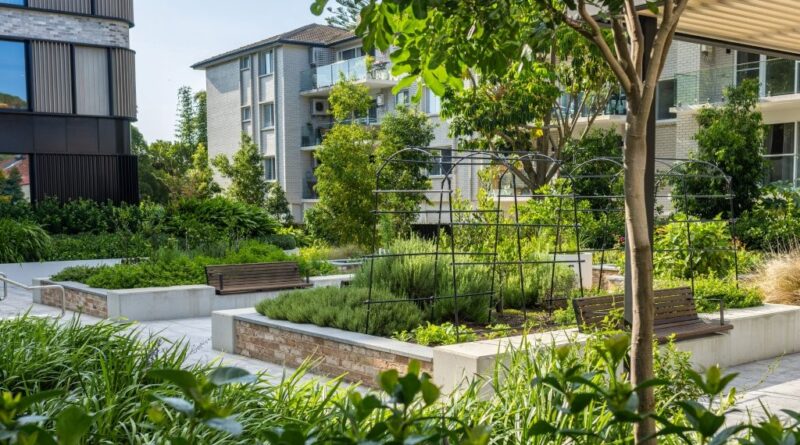
A luxury landscape for a seniors’ living project features quality elements from the rooftop down.

A premium senior living development, The Langlee, was a construction project with multiple elements of soft landscaping, irrigation, maintenance and hard landscaping from the ground to the rooftops, including outdoor kitchens and firepits.… Continue reading

Read More
Garden DesignLandscape

Temporal dynamics in design

How living systems accumulate value

By Erik van Zuilekom

Unlike built infrastructure that generally depreciates from day one, ecologically designed landscapes appreciate through biological compound interest. This temporal inversion, where gardens become more valuable, stable, and integrated over time, emerges when we design with succession rather than against it.Continue reading

Read More
Edible landscapesLandscape

Edible landscapes in the public realm

By Chris Williams

In this article I outline reasons for integrating community-based food production into municipal-level open space strategies. I argue that food production in public landscapes should be a fundamental part of a multi-functional urban green space system. Within this framework, thinking of crops and food plants as potentially edimental (both edible and ornamental) offers a powerful way to achieve the following: high-quality aesthetic objectives for general open space users; increased cultural relevance (through so-called culturally appropriate foods); and production of food for use by volunteer growers or for donation to food relief organisations.Continue reading

Read More
Food ForestsLandscape

Food forestry in the urban landscape

By Pauline Haydock

Australians have been avid gardeners for many decades. We have come a long way from the post war aesthetic of a front yard with a bed of roses, a cypress hedge and a competitively tended lawn. Things are changing.Continue reading

Read More
LandscapeLandscape event

From family roots to recognition: Mitchell Kushturian’s journey

By Gabrielle Stannus

Sydney-based landscape designer Mitchell Kushturian was named Emerging Designer of the Year at last year’s Landscape Design Institute’s annual awards. I spoke with Mitchell recently about family, plants, landscaping and his award-winning design, ‘Grounds of Glossodia’.

Mitchell’s passion for design is contagious and started when he was young, thanks in great part to his family.… Continue reading

Read More
LandscapeLandscape Design

Plant community paradigms: The missing links in design

By Erik van Zuilekom

The polarised debate over native versus exotic species frequently misses the fundamental question: does the landscape function as an integrated ecology, or merely as a collection of isolated individuals?¹  Plant failure in professional landscapes may occasionally stem from poor species choice, though it most frequently emerges from inappropriate ecological integration.Continue reading

Read More