Tuesday, May 19, 2026

Plants

Plant PalettePlants

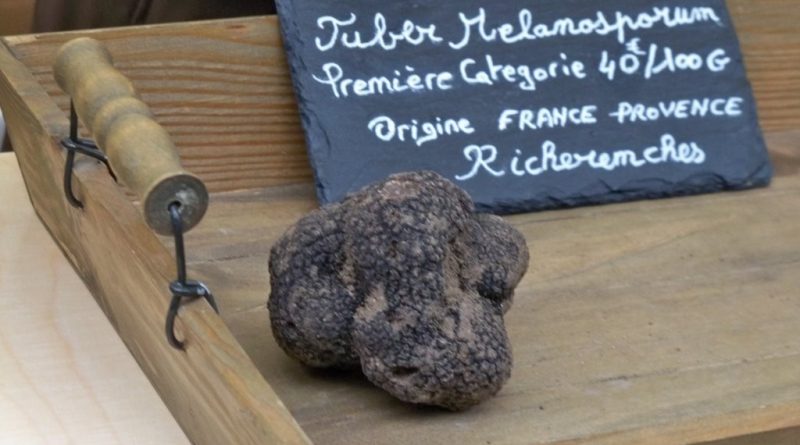
The hidden harvest

By Caleb Roberts

Botanical name: Tuber melanosporum

Common name(s): Black truffle, Périgord truffle, French black truffle

Family: Tuberaceae

Origin or native range: Found naturally in European forests, the black truffle’s highest producing countries remain Spain, France and Italy.… Continue reading

Read More
Plant PalettePlants

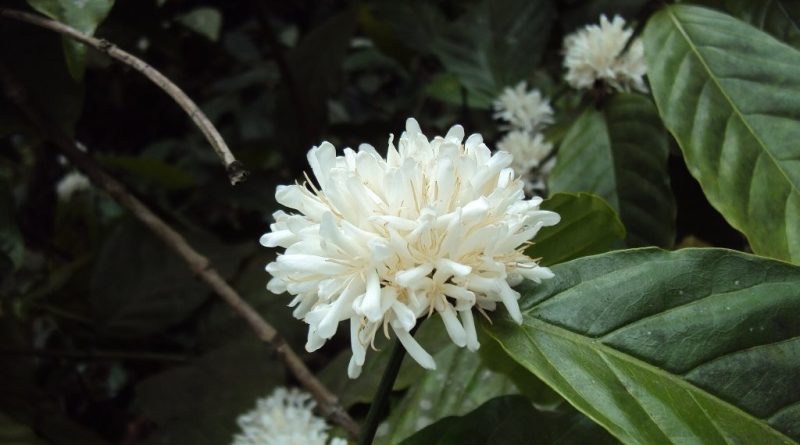
Beyond Arabica: The wider world of coffee

By Clive Larkman

Despite there being over 100 species in the Coffea genus, only a few of those are cultivated for human consumption. In my last article, I wrote about how we only really grow Coffea arabica and C. canephora ‘Robusta’, or a hybrid of the two (‘Coffee: A shrub with history!’,Continue reading

Read More
PlantsTurf

Versatile turf reshapes streetscapes

By Nathan Edwards

In the pursuit of sustainable urban landscapes, local councils are increasingly turning to turf solutions that combine visual appeal with long-term efficiency. Shellharbour City Council’s roundabout redevelopments in Oak Flats and Shellharbour, NSW, provide a striking example of how the right turf selection can deliver lasting benefits for both communities and maintenance teams.Continue reading

Read More
Plant PalettePlants

Coffee: A shrub with history!

By Clive Larkman

Living in Melbourne means permanent access to great coffee and a culture of having this staple drink with every meal. However, many people seem to have little knowledge of the plant itself. Plants in the Coffea genus provide the source of the world’s most popular morning drink, as well as some very attractive shrubs.Continue reading

Read More
LandscapingPlants

What makes a plant beautiful?

By John Fitzsimmons

If our theme this issue is ‘Ornamentals: Beauty that endures’ then surely, we must start by defining ‘beauty’ and that raises more questions than answers. On such a theme, just where do we start? Beauty is a subjective and multi-faceted quality that evokes pleasure, admiration or deep emotional responses.Continue reading

Read More
Plant PalettePlants

Atriplex: A story of saltbush

By Clive Larkman

In my last article, ‘Saltbushes of the world’, I wrote about halophytes including mangroves, samphires and saltbush (Hort Journal Australia, February 2026). Like mangroves and samphires, saltbush occurs around the globe in a diverse range of climatic conditions.Continue reading

Read More
Plant PalettePlants

An ancient tree for contemporary gardens

By Caleb Roberts

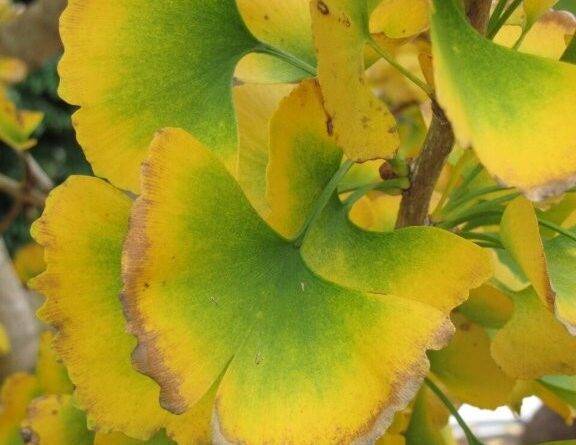
Botanical name: Ginkgo biloba

Common names: Ginkgo, maidenhair tree

Family: Ginkgoaceae

Origin or native range: Ginkgo biloba is the sole surviving species within its entire division, class, order and family. This monotypic ‘living fossil’, so called because fossils nearly identical to the modern tree date back to the Jurassic period (around 170 million years ago), is now found virtually unchanged from its earlier iterations in small, woodland populations in temperate China.… Continue reading

Read More
LandscapingPlants

A taste for landscaping

By Patrick Regnault

During COVID-19, the popularity of growing one’s own food increased dramatically. However, food production to the level of self-sufficiency requires more land and effort than most people are willing to do or capable of making. That said, we can add trees, shrubs and climbers, or even aquatic plants to our plant palettes that will look good and produce food.Continue reading

Read More
PlantsSaltbushes of the world

Saltbushes of the world

By Clive Larkman

Plants are divided into a series of logical groups based on their botanical characteristics, a result of the work commenced by noted Swedish botanist and physician Carl Linnaeus in the early 18th century. Since that time, the science of classifying plants has developed greatly, and the decisions to move plants into or out of taxonomic categories are made based on increasingly smaller differences, thus becoming more technical.Continue reading

Read More
Bush FoodPlants

Australian native edimentals – here to stay

By Jennifer McQueen

During Covid, as isolating households experimented with vegetable seedlings and graduated to fruit trees, Australian native edimentals began to catch the public imagination. ‘Covid shifted the perception of native edimentals from “hippy fringe” to mainstream curious,’ says Mark Tucek, founder of Tucker Bush.Continue reading

Read More