

Evolving edibles: What today’s gardeners want to grow
By John Fitzsimmons
For the last couple of decades, the edibles category in garden centres has been one of this sector’s most consistent stars. However, this category remains dynamic as plant breeders refine and expand their catalogues, and retail buyers expand their skills and expectations.
In recent times, edible plants have enjoyed a surge in popularity, most evident during COVID-19 and its associated lock-downs. Increased demand for these plants has also been attributed to the rising cost of fresh food at retail outlets, as well as a desire by many people to ‘get back to nature’ in response to their concerns and perceptions related to commercial chemical residues in food. Kindergartens and schools have also spurred many families to grow their own food at home, encouraged by the efforts they see their children making in those educational gardens.
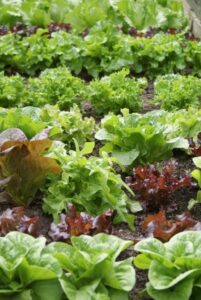
Many people who are new to gardening and want to grow edibles will often start with easy-to-cultivate annual vegetables, especially leafy greens, including lettuce and silverbeet, and culinary herbs. These initial cultivation choices are often driven by consumers’ space limitations, their desire for plants with fast reliable growth that deliver a quick ‘reward for effort’, and their preference to consume garden-fresh produce. In other words, a quick, engaging, tasty and useful result. Early success is often followed by a step up in growing challenges, with the home gardener moving on to dwarf fruit trees, either in pots, in-ground and/or espaliered. Here, novice gardeners seeking to include these perennials, and even ‘larger’ annuals, are faced with new challenges, including but not limited to pruning and training, water management and different pests or diseases to manage.
Many fruit trees though are adaptable to small spaces, and reward growers with fun, taste and nutrition. They come in a multitude of varieties ranging from apples to olives. Whether espaliered or grown traditionally, olives are a champion of Mediterranean climates and garden designers worldwide. Cured for enjoyment throughout the year or pressed for oil, the ultimate local gourmet ingredient, there is a lot to love about the humble olive. By sharing them and cooperating communally with neighbours in their harvest and pressing, the olive ‘joy’ can go a long way.
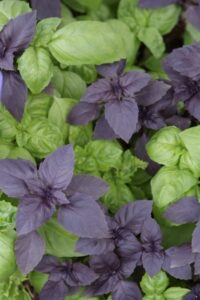
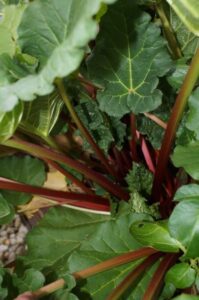
Nevertheless, there is so much more that home gardeners can explore and discover in the broader edibles category. There are many plants that can improve their health and wellbeing, whilst adding a little fun to the consumer’s engagement with their garden. With current consumer interest in craft beers, botanicals and all things Japanese, the home garden has a place for associated plants. At the Garden Inspirations Group (GIG) gathering earlier this year, Trenton Cottage (now under third generation Van Berkel family ownership) told participants that they have added horseradish and wasabi to their catalogue. Also new were three selections of rhubarb (‘Mammoth Red’, ‘Red Champagne’ and ‘Crimson Giant’), plus turmeric and edible ginger, the latter pretty much on-trend in recent times. The commercial history of growing wasabi in Australia is a long and interesting one that, reportedly, all but ended in 2025. Wasabi is a challenging biennial crop to grow at scale, but it should appeal to home growers who love bringing that ‘kick’ to the table. Rhubarb, of course, is a long-time survivor, providing food throughout much of the year, especially where there is access to plentiful manure or commercial nutrient sources.
Personally, I have found berries in season to be a great attraction for garden visitors who just love grazing for the ripest, tastiest fruit that they are unable to find at the supermarket. It is even more rewarding when I think of just how little attention I have given my own plants. So, again, let us look at Trenton Cottage’s offering in this category: thornless blackberry, boysenberry, gooseberry, jostaberry, golden yellow raspberry, Lawtonberry, elderberry, youngberry, silvanberry, tayberry, as well as red, black and white currants. Who could not visualise a whole section of edible garden devoted to these flavours?
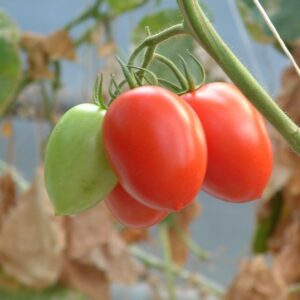
Strawberries are an evergreen favourite and every year there are new varieties and/or even better selections of traditional favourites. Like tomatoes, strawberries are a staple in the home-grown edibles market that keep people coming back to graze them repeatedly. For some time now, the demand for diverse, high-yielding and wonderfully tasty heritage varieties has continued to grow, although there is also much to appreciate among the many new varieties now available. Strong, clean, well-grown plants appear to sell quickly.
Eggplant, zucchini and capsicum are also plants that home gardeners find fun to grow. These plants are available in a range of colours, forms and flavours that far exceed the average consumer’s awareness. I recall attending a hydroponic conference where even commercial growers were surprised by the diversity of eggplant options available to them, driven in large part by this country’s multicultural culinary heritage.
What about root vegetables? The economics are rarely in favour of home-grown potatoes due to the large areas and soil volumes required to cultivate this plant. However, the current situation may suggest otherwise given this season’s commercial growing conditions. Foodies value heritage and niche varieties that are not always readily available or reasonably priced, unlike the familiar commercial ‘Desiree’ or ‘Sebago’, and the appeal of pulling up fresh home-grown produce rarely fades. Suppliers like Trenton Cottage are meeting demand by adding certified seed potato varieties to their catalogues including ‘Rodeo’, ‘Avanti’, ‘Red Lady’, ‘Levantina’, ‘Imperial Blue’, ‘Delaware’ and ‘Ruby Lou’.
Whilst home-grown carrots might not compete on price with commercial sources, they still have a lot to offer to the home grower being a generally year-round crop. They grow densely in small areas and offer an amazing range of colours, size, shape and taste. Why should the home-grown edibles market not have some fun too?!
Year-round food production is one aspect of the home edibles market that cannot be overlooked. Celery, leeks and other alliums like spring onions can often be planted year-round making good use of limited space. Note that I am not talking shallots here – that is another story! Commercial growers value the idea of harvesting a dollar every day, whilst home growers may simply appreciate staples that they can always have on hand. Celery does not even have to be harvested whole – just a few stalks picked as required just like other popular salad lines.
As a last note, I would like to float one more plant that, whilst not strictly ‘edible’, could be coming in from left field – hops. Humulus lupulus is a perennial climber from the Cannabaceae (hemp family) which genetically diverged from Cannabis sativa millions of years ago. In my own garden, I have ‘Saaz’, ‘Mount Hood’, ‘Pride of Ringwood’ and ‘Goldings’ growing. However, there are literally scores of recognised hop varieties ranging from ‘Admiral’ to ‘Zythos’, and including ‘Aureus’ (golden hop), a pale, ornamental variety cultivated for garden use. ‘Aureus’ holds the Royal Horticultural Society’s Award of Garden Merit (AGM).
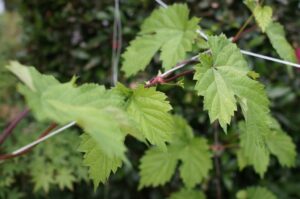
Whilst hops are not strictly edible, home brewers may be interested in growing this plant to make beer. Hops are also purported to possess medicinal and aromatic properties. Personally, I find hops to be rather interesting plants. One might consider them to be ‘bines’ rather than ‘vines’ in that they have stiff downward-facing hairs that help them climb and attach to supports. Hops grow phenomenally fast in summer and can be trained to a welcoming shady canopy before dying back to a rhizome in autumn. Do not underestimate their height requirements nor the interest hops can generate as a quick-growing plant.
In short, a good-looking and engaging garden can give a lot more than visual joy, by feeding the home gardener, at least in part, all-year round. Hopefully, the examples described here also provide food for thought for retail nurseries seeking to expand their edible lines this year.