
When ‘good’ plants go bad
What can industry learn from mother of millions?
By Chris Dewhurst
It is often said that more than 70% of the weeds invading Australia’s natural landscape were once ornamental plants. While the exact figure is debated, one thing is certain: the horticulture industry is at the frontline of Australia’s biosecurity response.
As the Local Control Authority for priority weeds across four local government areas in Western Sydney, we, the WSWA (Western Sydney Weeds Authority) undertake regular biosecurity inspections across bushland, private properties and high-risk sites, including nurseries, florists and aquatic plant retailers, to ensure compliance with the NSW Biosecurity Act 2015.
We continue to encounter invasive plant species capable of causing significant environmental and economic damage, with many still being unknowingly cultivated, sold or distributed.
Ironically, what makes weeds so prolific is often what made them commercially desirable in the first place. Fast growth, aesthetic appeal and tolerance to Australian climate are all attractive traits for growers, landscapers and home gardeners. Unfortunately, they are also common characteristics of highly invasive species.
Without the natural predators, pests or environmental pressures of their native habitats, these species can spread rapidly, reducing biodiversity and impacting productive agricultural land.
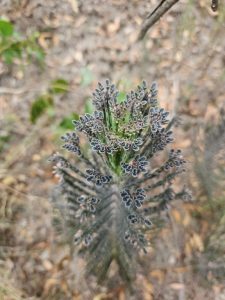
Mother of millions (Bryophyllum delagoense) is a well-known example. Originally introduced to Australia as a decorative garden succulent from Africa and Madagascar, it became popular during the 1980s and 1990s for its vibrant red flowers and drought tolerance.
But people did not know about its extraordinary reproductive capacity. Tiny plantlets containing thousands of tiny seeds develop along the edges of each leaf and detach easily, allowing the plant to quickly regrow. Small garden escapes rapidly expanded into major outbreaks, creating long-term challenges for councils, landholders and natural resource managers.
So what role can industry play in nipping mother of millions, and other priority weed species, in the bud?
Everyone who is employed to deal with plants has a General Biosecurity Duty, and this applies across the national supply chain. In simple terms, if you know, or reasonably should know, that a plant poses a biosecurity risk, you have a responsibility to prevent, eliminate or minimise that risk so far as is reasonably practicable.
For horticulturists, growers and retailers, this means understanding which species are regulated and ensuring priority weeds are not cultivated or supplied. Some species are prohibited entirely, while others may only be sold or transported under strict conditions, so due diligence is key.
Businesses sourcing stock interstate should stay informed about local regulations, as a species that is legally available in one state or territory may be restricted or considered a significant biosecurity threat in another. Many suppliers will indicate state-specific regulations.
Landscapers and parks and gardens managers play a key role in preventing the spread of weeds once they enter our landscape. Before commencing maintenance works, sites should be assessed for weeds. Species like mother of millions can regenerate from tiny fragments of plant material, meaning activities like mowing, slashing or mulching can unintentionally spread infestations across large areas if weeds are not properly managed first.
Cleaning machinery, footwear and clothing before moving between sites helps reduce the spread of plant material. Proper disposal is equally important, and where possible, weeds should be solarised onsite to destroy viability before being placed into the appropriate green waste streams.
By keeping their General Biosecurity Duty front of mind, those in the horticulture industry can play a major role in reducing weed spread, not only across Western Sydney but throughout Australia, because every plant grown, stocked, supplied or planted has the potential to shape our environment for decades to come, for better or worse.
Chris Dewhurst
General Manager
Western Sydney Weeds Authority (WSWA)