Wednesday, March 18, 2026

Green Infrastructure

Green InfrastructureLandscape

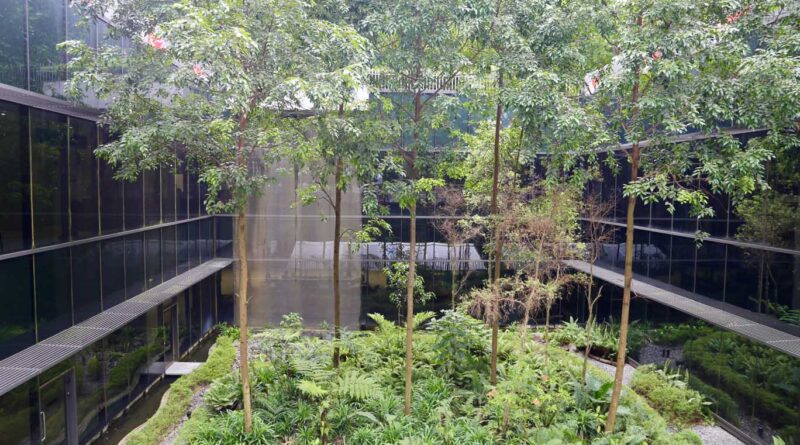
Dense and diverse urban planting – popular or misunderstood?

By Michael Casey

Is the adoption of dense and diverse urban planting on the rise, or is it simply misunderstood?

Urban density and growth is on the rise, and currently the increased numbers are on an upward trajectory and is happening faster than we have ever experienced in human history, with an additional two billion people expected in urban areas by 2050.… Continue reading

Read More

Green InfrastructureLandscape

What’s roadblocking urban greening projects?

By Michael Casey

Green infrastructure projects can be incredibly beneficial for the environment and communities, but they can also come with challenges when trying to plan and be granted approval to build these into our built environments. Our councils are on board, communities love the introduction of nature spaces and our planners and designers understand more about the added benefits of introducing green infrastructure into their designs.Continue reading

Read More
Green InfrastructureLandscape

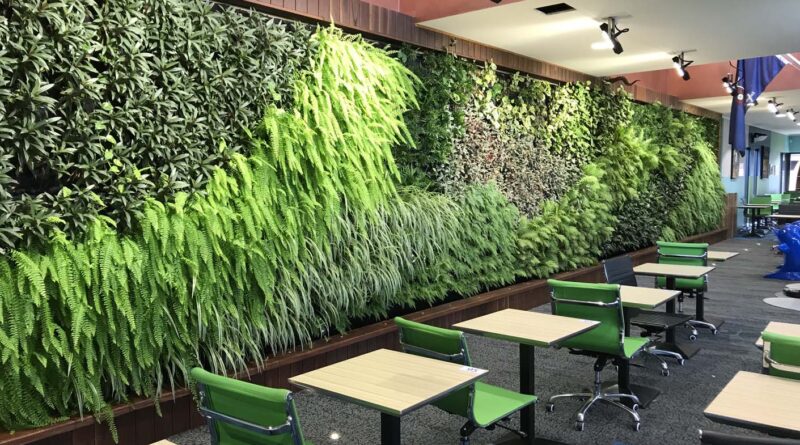
Plants and insects can coexist in indoor spaces with the right mix

By Michael Casey

The rise in interest in interior plantscaping, along with vertical gardens and other forms of interior plant layouts, is being matched with the results of the associated benefits. These include providing clean pollution-free filtered air and cooler environments, along with connecting people to nature.… Continue reading

Read More
Green InfrastructureLandscape

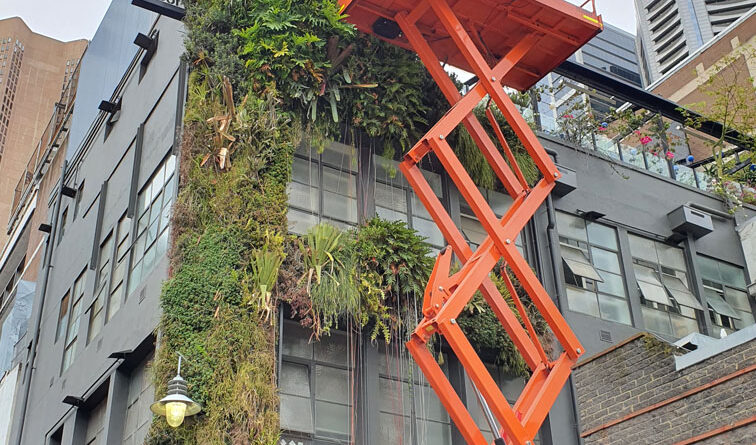
Machinery and green infrastructure

By Michael Casey

Green Infrastructure installations are fast becoming an inclusion in our cities as we work towards finding solutions to mitigate the negative effects of climate change.

These installations, located around our cities, appear on rooftops, sides of buildings, within tight spaces, and in locations that makes the installation and maintenance of green spaces much more difficult than what we commonly install at ground level.… Continue reading

Read More
Green InfrastructureLandscape

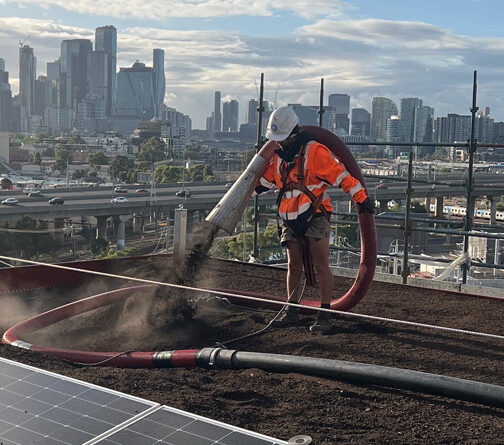
Exploring substrates – no substitution for future infrastructure projects

By Michael Casey

Substrates provide anchorage for plants and hold water which is key to their survival and growth through their effective absorption and storing of nutrients. Substrates, much like other living organisms, require a careful selection process to ensure they’re fit for purpose for green infrastructure projects.Continue reading

Read More
Green InfrastructureLandscape

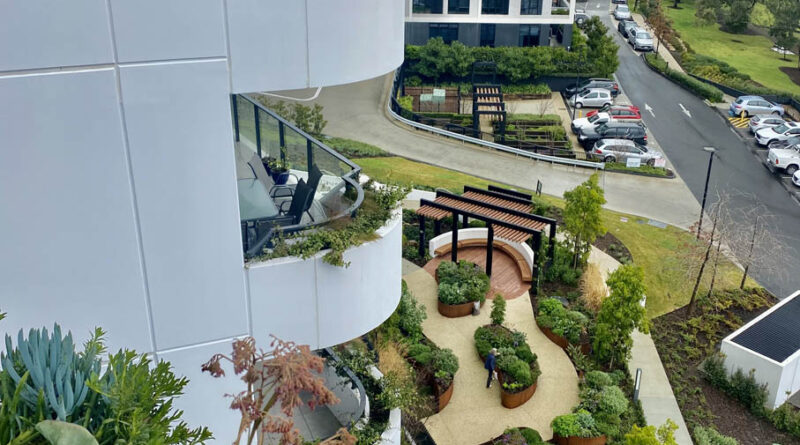
Biodiversity built for purpose

By Michael Casey

Global cities continue to develop at a rapid rate, and with an increase in size comes more people, more built structures, and in a lot of cases fewer green spaces for biodiversity to thrive. To counter the reduction of biodiversity, city planning needs to incorporate larger dedicated green areas rather than commonly creating small green spaces.Continue reading

Read More
Green InfrastructureLandscape

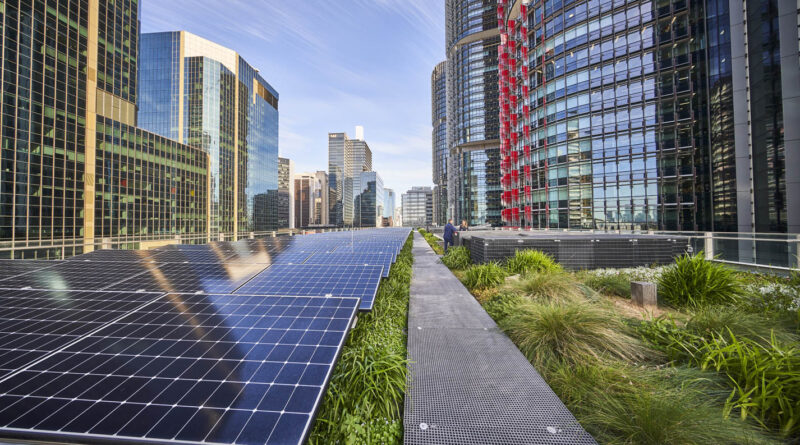
PV panels and green roof combinations are taking charge

By Michael Casey

Our cities are full of built structures with buildings of all shapes and sizes dominating our skylines, and they all have one thing in common – in most cases, they have an underutilised roof space.

Over the course of decades, roof spaces of all shapes and forms have been used to store HVAC (heating, ventilation, and air conditioning) installations, and until recently, photovoltaic panels (PV).… Continue reading

Read More
Green InfrastructureLandscape

The tricky business of planting and managing trees in our built environment

By Michael Casey

Urban greening is becoming an important tool in helping to address climate change by adding greenery into our built environment. The one design inclusion that green infrastructure experts are starting to use more and more is the installation of trees into, and onto, buildings.Continue reading

Read More
Green InfrastructureLandscape

Greening cities gets a boost with a new Green Infrastructure industry body

By Michael Casey

With more than 70% of the global population projected to be living in cities by 2050, coupled with the need to meet sustainability targets in 2030 and 2050, government and city planners will have to rethink how the future of cities will need to look and work.Continue reading

Read More