Monday, February 16, 2026

Landscape

Edible landscapesLandscape

Edible landscapes in the public realm

By Chris Williams

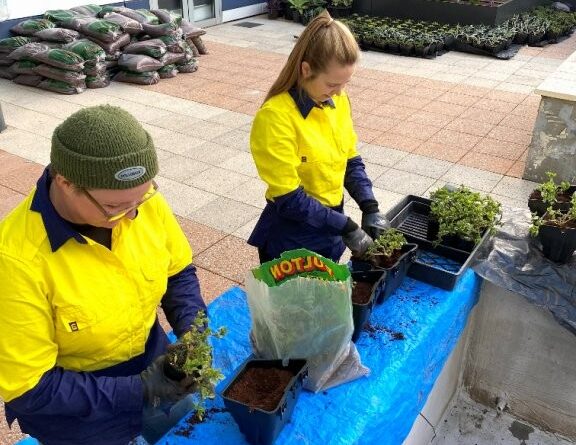
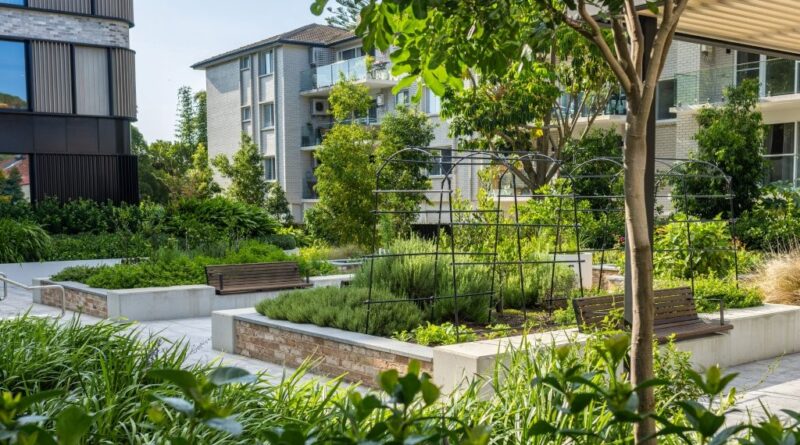
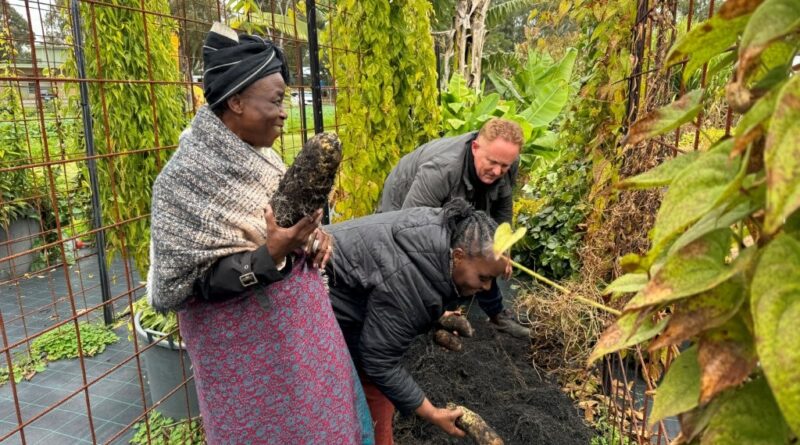
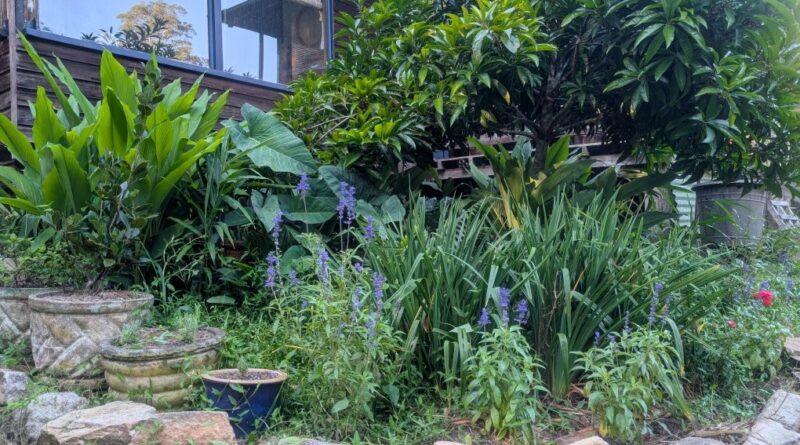
In this article I outline reasons for integrating community-based food production into municipal-level open space strategies. I argue that food production in public landscapes should be a fundamental part of a multi-functional urban green space system. Within this framework, thinking of crops and food plants as potentially edimental (both edible and ornamental) offers a powerful way to achieve the following: high-quality aesthetic objectives for general open space users; increased cultural relevance (through so-called culturally appropriate foods); and production of food for use by volunteer growers or for donation to food relief organisations.Continue reading

Read More
Food ForestsLandscape

Food forestry in the urban landscape

By Pauline Haydock

Australians have been avid gardeners for many decades. We have come a long way from the post war aesthetic of a front yard with a bed of roses, a cypress hedge and a competitively tended lawn. Things are changing.Continue reading

Read More
LandscapeLandscape event

From family roots to recognition: Mitchell Kushturian’s journey

By Gabrielle Stannus

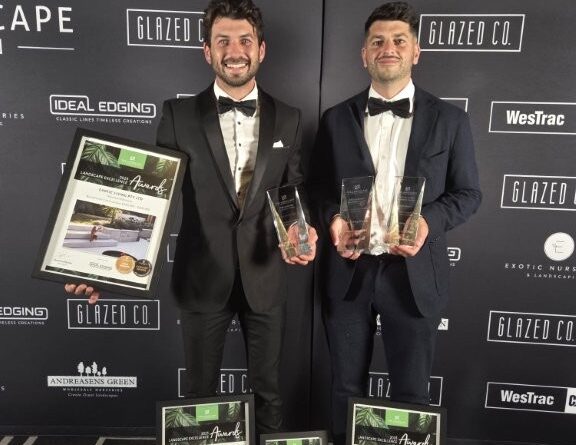
Sydney-based landscape designer Mitchell Kushturian was named Emerging Designer of the Year at last year’s Landscape Design Institute’s annual awards. I spoke with Mitchell recently about family, plants, landscaping and his award-winning design, ‘Grounds of Glossodia’.

Mitchell’s passion for design is contagious and started when he was young, thanks in great part to his family.… Continue reading

Read More
LandscapeLandscape Design

Plant community paradigms: The missing links in design

By Erik van Zuilekom

The polarised debate over native versus exotic species frequently misses the fundamental question: does the landscape function as an integrated ecology, or merely as a collection of isolated individuals?¹  Plant failure in professional landscapes may occasionally stem from poor species choice, though it most frequently emerges from inappropriate ecological integration.Continue reading

Read More
LandscapeLandscape event

Plants at work in a play space

By Gabrielle Stannus

Who recalls the bruised knees and torn skin from the asphalt jungles of their childhood? I certainly do! That is why, despite having only designed a couple of play spaces myself (which are yet to be built!), I retain a keen interest in the works of others in this space.Continue reading

Read More
LandscapeLandscape Design

Cathedrals of roots

Training aerial roots of Ficus microcarpa at Sherwood Arboretum

By Prue McGruther

In landscape design, our attention often falls on flowers, foliage, bark, or branch structure. Roots, especially aerial, are rarely considered for their visual appeal, yet under the right conditions, figs (Ficus spp.)Continue reading

Read More
Garden DesignLandscape

Sam Cox opens his gardens

By Gabrielle Stannus

Open Gardens Victoria is celebrating its tenth anniversary this month. I spoke with Sam Cox, one of Australia’s foremost proponents of naturalistic garden design about the opening of Red Gums, one of this scheme’s official anniversary gardens. During our conversation, Sam shared the reasons why he thinks other landscape professionals should open their gardens too, and (bonus!)Continue reading

Read More
LandscapeRevegetatation

Revegetation done right

By Patrick Regnault

I would like to start with a definition: Revegetation is the process of planting or seeding an area that has been too damaged for natural regeneration. Revegetation is important to help restore degraded land, create wildlife corridors, mitigate flood damage and reduce soil loss through erosion.Continue reading

Read More
LandscapeMass Planting

Think big with mass plantings

By John Fitzsimmons

When we are in landscape mode we often think of architectural plants, specimen trees, colour palettes, textures, borders and backdrops for impact and low maintenance. We should not however forget the visual impact and benefits of one of the most widely used landscape elements and approaches — mass plantings.Continue reading

Read More