Inside the nursery: Small changes that stop pests spreading
By Celeste Cook
Biosecurity often sounds like an industry-level issue. But inside a nursery, it usually comes down to much smaller things. Most nursery pest problems start with something small. Often it starts with a shipment of plants that does not look quite right that enters the production space. But, you think, it is okay because shipments from that supplier are usually fine and there have been no issues with them in the past. You do not think twice about it as everyone is busy getting plants out the gate. Then, a while later, days, maybe weeks, somebody spots something unusual on a plant that they have not seen before, and the batch is not performing the way it normally does at this time of year. Yellowing foliage, a patch of dieback, something is just not right, and the investigation begins.
When pests move through a nursery
Once a pest gets moving through a nursery system, the costs escalate quickly with lost plants and orders unfulfilled, extra spraying or treatment, or disrupted production schedules. Australia now deals with a new plant pest or disease incursion roughly every nine days (around 40 per year and rising every year). Once those pests are here, strong nursery practices help stop them spreading further.
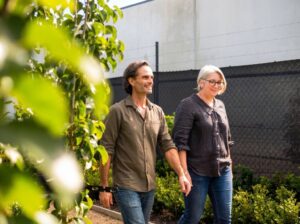
Greenlife Industry Australia (GIA) GrowConnex specialists often walk through nurseries with growers, tracing how plants, tools and staff move through the site, and asking questions like: Where could a pest or disease hitch a ride? What conditions are being created that are supporting the growth of pests and disease? Where can improvements to production practices achieve better efficiencies for the business? After working with a GrowConnex team member to assess their nursery, a grower in Townsville said, ‘It does not really feel like a program. It is more like talking to a mate who is there to help.’
Those conversations often reveal a handful of risk points (known as critical control points) that are easy to miss in the rush of everyday production. As one Melbourne nursery owner put it, ‘Once you start looking at your nursery through a biosecurity lens, you notice things you would normally walk straight past.’
Looking at plant movement differently
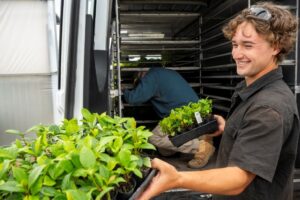
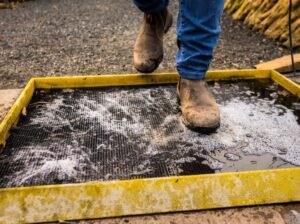
Once a problem pest or disease is introduced to a nursery from outside it spreads through the nursery. Plants then potentially move the pest or disease around the nursery with the plant, and then eventually on to the customer and into the environment, contaminating areas of the nursery along the way. Simple adjustments can significantly reduce those risks – incoming plant material inspections that result in quarantine or treatment of suspect material, tightening up hygiene in propagation areas, and cleaning equipment between batches all act to reduce pests and pathogens in the business.
A structured way to check your system
To help growers look at those risks systematically, the industry has developed BioSecure HACCP, part of the Australian Plant Production Standard (APPS) programs. The concept is straightforward to assess and implement. GrowConnex specialists map the journey plants take through their nursery and identify where pests could enter or spread.
For example:
- Separating incoming plant material from production areas
- Controlling how tools and equipment move between blocks
- Increasing monitoring in high-risk zones
- Improving hygiene in sensitive areas such as propagation and between batches
- Performing despatch inspections before allowing orders to go to the customer
The aim is simply to remove easy opportunities for pests to spread.
What growers are seeing in practice
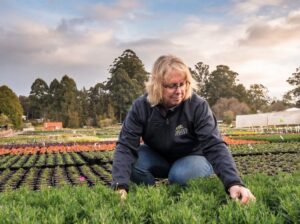
Growers who go through this process often discover benefits beyond biosecurity. Better monitoring means earlier pest detection, more targeted spraying and better crop health overall. Some nurseries also find it helps staff understand why certain procedures matter.
At Cameron’s Nursery in New South Wales, staff take a structured approach to biosecurity training through the GrowConnex extension program. The process helped the team step back and look at their production system with fresh eyes. A few small changes to monitoring routines and plant movement tightened up their biosecurity system without slowing production and gave staff a clearer understanding of why those routines are important. Better biosecurity means healthier plants and improved profitability.
Keeping track of plant health
Tools like GIA’s Audit Management System (AMS) are also helping nurseries analyse what’s happening across their business. The AMS is a free digital platform available to APPS accredited nurseries. Growers can record pest monitoring, chemical applications, production activities and compliance information in one place. Having those records in one system makes it easier for nurseries to see patterns occurring within their business. Because of the data they collect they can spot problem-prone areas of the business site, substantiate claims around supplier quality, and predict and implement counter measures for seasonal issues.
What the future may bring
Technology is opening new possibilities for plant health monitoring. Emerging tools such as portable DNA sequencing devices may soon allow pests or pathogens to be identified much faster than traditional laboratory methods. Earlier identification means faster responses and less chance of pests spreading through production. But this technology is still far from being used every day in the nursery, so the basics still matter most and are very effective control measures for lowering pest and disease pressure in the nursery. Clean tools and surfaces, controlled plant movement, recorded monitoring and inspection activities, and staff who understand the system are still the foundation of strong nursery biosecurity.
GrowConnex specialists work with businesses to identify where those improvements can be made and help growers put practical systems in place, because in most cases, preventing a pest problem does not need a complete overhaul. It usually just means spotting the small things before they turn into bigger ones.
Further information: To find out more about the Australian Plant Production Standard (APPS) and BioSecure HACCP, visit www.nurseryproductionfms.com.au.
Stronger biosecurity, one nursery at a time
GrowConnex specialists spend a lot of time doing something very simple: walking through nurseries with growers and talking about how the business runs.
The service is levy-funded, so there is no additional cost for growers.
Together, nurseries and GrowConnex experts:
- Identify where pests or diseases could move through the nursery
- Consider improvements for monitoring and hygiene practices
- Look at staff technical training options
- Work through programs such as BioSecure HACCP
- Brainstorm practical fixes and productivity boosters
Sometimes the changes that follow are small, like cleaning benches and tools between batches, separating incoming plants at arrival or recording monitoring activities. None of it needs to happen overnight, and GrowConnex specialists are there to provide support to achieve these changes at a pace dictated by the business. The aim is simply to make steady improvements that reduce risk and strengthen business biosecurity and plant health.
Celeste Cook
Manager Biosecurity Research, Development and Extension
Greenlife Industry Australia