
Machine Efficient Biodiverse Installations
By Daniel Fuller
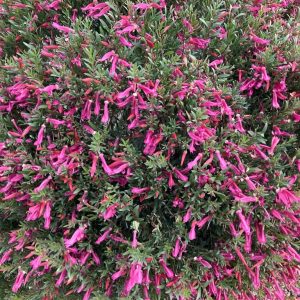
Machine pruning is the standard in commercial landscape maintenance. Very rarely are plants given a chance to be pruned selectively by highly skilled operators; instead, plants are generally hedge-pruned or left in their natural shape, which will often get leggy or too large, and end up hedge-pruned anyway even if that was not the original design intent.
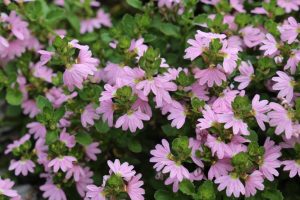
However, there is a third option for when designers wish to embrace the natural shapes of plants rather than symmetrical domes and cubes. Coppicing, which is a hard prune close to the ground, allows certain plants that tolerate this harsh type of pruning to completely refresh in their natural shape.
This is an efficient way to manage plantings, where instead of scheduling hedge pruning several times per year, a single reset on a landscape can be accomplished by a very hard prune once every one to seven years, depending on species’ growth rates, aesthetic requirements and the personal preferences of decision makers.
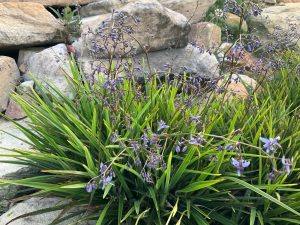
It is not just woody shrubs that can be cut close to the ground. Strappy monocots can get damaged over the years through insect feeding, pedestrian foot traffic, children playing roughly and so forth. Each damaged leaf takes up space, so a hard cut can give a plant a chance to refresh itself with new growth, enabling it to more efficiently photosynthesise.
Stoloniferous groundcovers also benefit from a prune every now and then, which can help them become bushier and refresh them if they have become leggy.
Generally, the best time to give plants a hard reset is between winter and spring. Exact timing is dependent on the location and year. I personally like to hard prune just as the growing season is starting. That way, the old foliage can remain functional while the growth is subdued, and then the plant is better able to bounce back quickly after the initial shock of the hard prune.
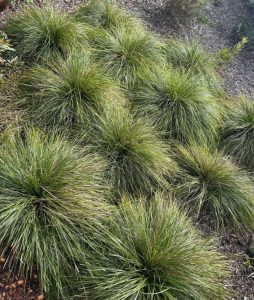
The green ‘waste’ can be used as a valuable resource, particularly in low-profile sites that have lower aesthetic standards for mulching. Fibrous strappy plants and true grasses produce excellent mulch that can be chopped and dropped. Remember that all the usual mulching rules apply; no burying stems and crowns.
Woodier shrubs can be chipped before spreading the mulch, or, in some cases, sticks and leaves can be cut and dropped, while thicker stems can be removed or used on-site as border edging. I like to drill various diameter and length holes into logs and lay them on the ground for insect habitat. I have had excellent success increasing detritivore and predator diversity by doing this.
One of Ozbreed’s recent plug-and-play plant palettes is called the MEBI Palette, which stands for Machine Efficient Biodiverse Installations. This palette was developed for designers looking to create the types of low-maintenance guilds I am describing, where once every few years a small team of operators can prune everything close to the ground, and then pack up and leave the site alone for a few more years. The MEBI Palette includes the following plants:
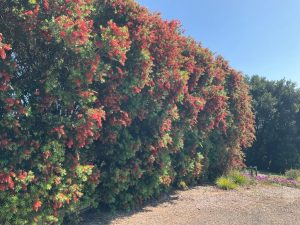
- Scaevola humilis ‘PFS200’ PBR Trade Name Pink Fusion™
- Dianella caerulea ‘DCNC3’ PBR Trade Name Baby Breeze™
- Lomandra longifolia ‘LM360’ PBR Trade Name Lady Tanika®
- Grevillea rosmarinifolia ‘H16’ PBR Trade Name Crimson Villea™
- Callistemon viminalis ‘CVO1’ PBR Trade Name Slim™
- Eremophila sp. ‘EREM01’ PBR Intended Trade Name Thriver™
These plants are all tough roadside types that thrive under neglect, and they have been tested for extreme cutbacks just above the ground. While the usual advice is to cut around 100 mm above the ground for the best chances at survival, the plants in the MEBI Palette have been bred for even lower pruning, so there is less chance of unskilled operators accidentally coppicing too low.
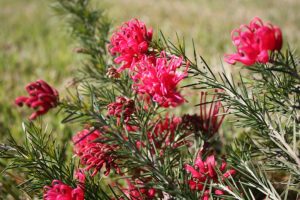
All images supplied by Ozbreed.
Daniel Fuller
Ozbreed Planting Strategist
M: 0426 169 708
E: Horticulture@ozbreed.com.au
W: ozbreed.com.au