
Monday, April 20, 2026
Garden DesignLandscape

Temporal dynamics in design

How living systems accumulate value

By Erik van Zuilekom

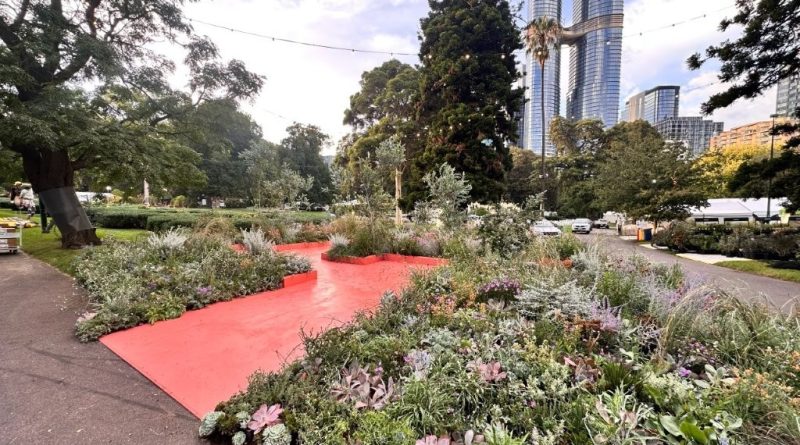
Unlike built infrastructure that generally depreciates from day one, ecologically designed landscapes appreciate through biological compound interest. This temporal inversion, where gardens become more valuable, stable, and integrated over time, emerges when we design with succession rather than against it.Continue reading

Read More
Plant PalettePlants

Atriplex: A story of saltbush

By Clive Larkman

In my last article, ‘Saltbushes of the world’, I wrote about halophytes including mangroves, samphires and saltbush (Hort Journal Australia, February 2026). Like mangroves and samphires, saltbush occurs around the globe in a diverse range of climatic conditions.Continue reading

Read More
Plant PalettePlants

An ancient tree for contemporary gardens

By Caleb Roberts

Botanical name: Ginkgo biloba

Common names: Ginkgo, maidenhair tree

Family: Ginkgoaceae

Origin or native range: Ginkgo biloba is the sole surviving species within its entire division, class, order and family. This monotypic ‘living fossil’, so called because fossils nearly identical to the modern tree date back to the Jurassic period (around 170 million years ago), is now found virtually unchanged from its earlier iterations in small, woodland populations in temperate China.… Continue reading

Read More
EditorialIndustry Event

Australian Horticultural Trials Week

By Gabrielle Stannus

The 2025 Australian Horticultural Trials Week kicked off on Monday 1 December with a Summer Soiree held at KCC Park in Skye. The Nursery and Garden Industry Victoria (NGIV) announced the winners of its 2026 Plant of the Year awards during the evening, with Mansfield’s Propagation Nursery taking out the top gong for Corymbia ficifolia ‘Precious Pearl’.Continue reading

Read More
Garden CentresNursery Industry

Reinventing the independent garden centre

By John Stanley, Sid Raisch and Dries Jansen

This series of articles aims to look at the future opportunities, changes and challenges that independent garden centres around the globe face in the next few years. Before we look into our crystal ball, we should first look back.Continue reading

Read More
Edible landscapesLandscape

Edible landscapes in the public realm

By Chris Williams

In this article I outline reasons for integrating community-based food production into municipal-level open space strategies. I argue that food production in public landscapes should be a fundamental part of a multi-functional urban green space system. Within this framework, thinking of crops and food plants as potentially edimental (both edible and ornamental) offers a powerful way to achieve the following: high-quality aesthetic objectives for general open space users; increased cultural relevance (through so-called culturally appropriate foods); and production of food for use by volunteer growers or for donation to food relief organisations.Continue reading

Read More
Food ForestsLandscape

Food forestry in the urban landscape

By Pauline Haydock

Australians have been avid gardeners for many decades. We have come a long way from the post war aesthetic of a front yard with a bed of roses, a cypress hedge and a competitively tended lawn. Things are changing.Continue reading

Read More
Urban FarmingUrban Green Infrastructures

The future of urban farming depends on how we value space

By Michael Casey

Over the past decade, urban farming has gathered extraordinary momentum with it being framed as a clean and hopeful solution for cities wrestling with food insecurity, population growth and the impacts of climate change. The promise is attractive; where someone can take under-used space, stack it vertically or spread it across rooftops, suddenly you can have a decentralised, resilient, hyper-local food system.Continue reading

Read More
EditorialResearch & Development

How to prepare a successful R&D Tax Incentive claim

A practical guide for horticulture businesses

By Tania Harman and Daniel Knox

The Australian Government’s R&D Tax Incentive offers horticulture businesses a valuable opportunity to fund innovation and reduce costs. This practical guide explains how to prepare a successful claim, avoid common pitfalls and maximise benefits.Continue reading

Read More