
Wednesday, April 15, 2026

gardening

Conserving NatureEnvironment & Sustainability

Conserving nature through floriculture

By Gabrielle Stannus

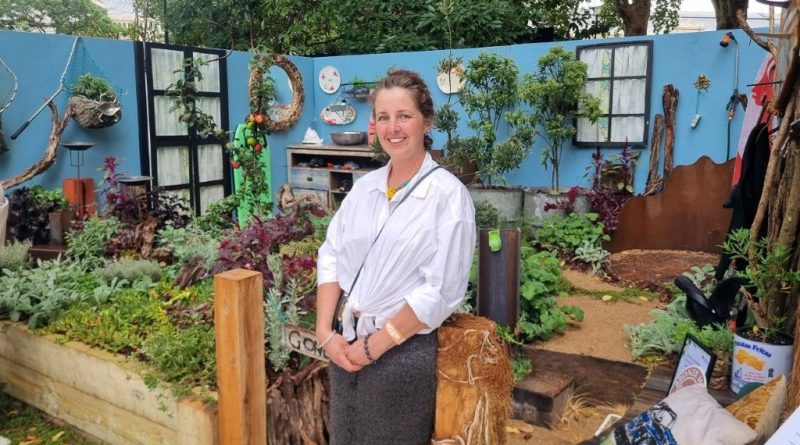
A town planner by trade, Natalie Vallance has grown into the role of a grower with the support of her late husband and horticulturist, Steve. Together the pair transformed an essentially vacant block of land 50 kilometres north of Perth, Western Australia, into the Muchea Tree Farm, a thriving production nursery specialising in Australian natives and Proteaceae.Continue reading

Read More
Careers & EducationEducation & Training

GROWing First Nations horticulture

By Russell Larke

Public landscapes offer much more than visual beauty; they play a critical role in shaping how people experience and connect with place. They can tell stories, preserve culture, celebrate biodiversity and encourage people to think differently about the country they live on.Continue reading

Read More
Garden DesignLandscape

Gardens of lasting beauty

By Patrick Regnault

Designing a garden that lasts more than a few years seems to be more of a challenge these days when compared to previous centuries. The fast pace of change and our desire for constant renewal accompanied by quick results are not conducive to a generational view of landscape design.Continue reading

Read More
EditorialGreener Spaces Better Places UpdateUncategorized

What’s Growing on?

BOOSTING THE APPEAL OF PLANTS IN AUSTRALIAN HOMES

In spring 2025, the Greener Spaces Better Places program launched a national consumer campaign funded by the nursery levy.


With lack of interest overtaking cost as a key barrier to buying more plants, a new campaign has made the benefits of plants hard to ignore by linking them to property value.… Continue reading

Read More
LandscapeLandscape Design

Better with age

By Lynne Testoni

A luxury landscape for a seniors’ living project features quality elements from the rooftop down.

A premium senior living development, The Langlee, was a construction project with multiple elements of soft landscaping, irrigation, maintenance and hard landscaping from the ground to the rooftops, including outdoor kitchens and firepits.… Continue reading

Read More
Garden DesignLandscape

Temporal dynamics in design

How living systems accumulate value

By Erik van Zuilekom

Unlike built infrastructure that generally depreciates from day one, ecologically designed landscapes appreciate through biological compound interest. This temporal inversion, where gardens become more valuable, stable, and integrated over time, emerges when we design with succession rather than against it.Continue reading

Read More
Plant PalettePlants

An ancient tree for contemporary gardens

By Caleb Roberts

Botanical name: Ginkgo biloba

Common names: Ginkgo, maidenhair tree

Family: Ginkgoaceae

Origin or native range: Ginkgo biloba is the sole surviving species within its entire division, class, order and family. This monotypic ‘living fossil’, so called because fossils nearly identical to the modern tree date back to the Jurassic period (around 170 million years ago), is now found virtually unchanged from its earlier iterations in small, woodland populations in temperate China.… Continue reading

Read More
EditorialIndustry Event

Australian Horticultural Trials Week

By Gabrielle Stannus

The 2025 Australian Horticultural Trials Week kicked off on Monday 1 December with a Summer Soiree held at KCC Park in Skye. The Nursery and Garden Industry Victoria (NGIV) announced the winners of its 2026 Plant of the Year awards during the evening, with Mansfield’s Propagation Nursery taking out the top gong for Corymbia ficifolia ‘Precious Pearl’.Continue reading

Read More
Garden CentresNursery Industry

Reinventing the independent garden centre

By John Stanley, Sid Raisch and Dries Jansen

This series of articles aims to look at the future opportunities, changes and challenges that independent garden centres around the globe face in the next few years. Before we look into our crystal ball, we should first look back.Continue reading

Read More
Edible landscapesLandscape

Edible landscapes in the public realm

By Chris Williams

In this article I outline reasons for integrating community-based food production into municipal-level open space strategies. I argue that food production in public landscapes should be a fundamental part of a multi-functional urban green space system. Within this framework, thinking of crops and food plants as potentially edimental (both edible and ornamental) offers a powerful way to achieve the following: high-quality aesthetic objectives for general open space users; increased cultural relevance (through so-called culturally appropriate foods); and production of food for use by volunteer growers or for donation to food relief organisations.Continue reading

Read More