Thursday, June 25, 2026

Author: John Stanley

Garden CentresNursery Industry

What garden centres around the world can learn from each other

By Dries Jansen, Sid Raisch and John Stanley

Garden centres are places of routine and ritual. People visit them on quiet mornings, between errands or as part of a weekend habit. They are deeply rooted in local life, shaped by climate, seasons and long-standing customer relationships.Continue reading

Read More
EditorialResearch & Development

The biochar revolution

Engineering carbon-rich growing media for resilience

By Erik van Zuilekom

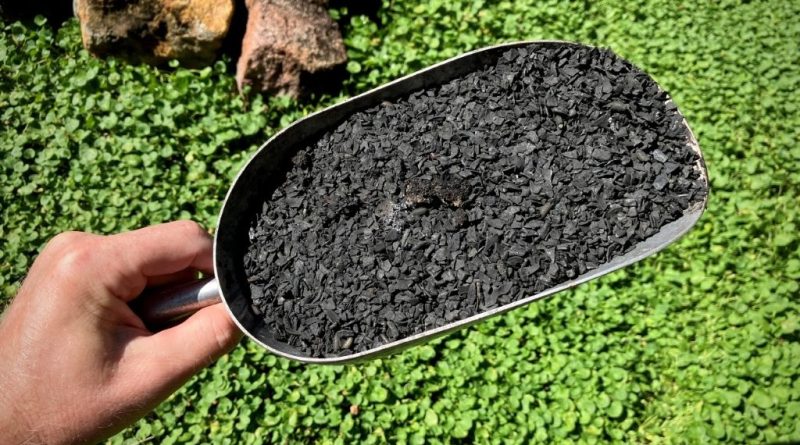
What if the most transformative amendment available to nursery production was not new at all, but ancient, misunderstood, and hiding in plain sight? Biochar is gaining traction across Australian horticulture, yet much of what is sold under its name barely qualifies as true biochar.Continue reading

Read More
Business FileEditorial

How horticulture grants are assessed

What assessors look for (and why projects miss out)

By Tania Harman and Daniel Knox

This article is the second in our ‘Successful Grant Writing’ series for horticulture businesses, grower groups and researchers. In the first article, we focused on the strategic foundations of a competitive application: the right project, at the right time, for the right program (‘How to write a successful grant funding application’, Hort Journal Australia, April 2026).Continue reading

Read More
AdvertorialEditorial

Underground storage: A tactic for tougher landscape plants

By Daniel Fuller

Plants can be conceptualised as self-sustaining machines that do not eat food; they manufacture their own food using photosynthesis. Every leaf is like a solar panel, capturing energy that can be stored in the plant’s roots and other storage organs.Continue reading

Read More
Careers & EducationProfessional Development

Growing futures through Global Footprints

By Carmen Weiss

Two young horticulturists, two very different journeys, and one shared opportunity that shaped their impact on the industry. Through the Global Footprints Scholarship, Olivia Williams and Charlotte O’Leary stepped beyond their everyday nursery environments and into completely new horticultural contexts.Continue reading

Read More
Clean WaterEnvironment & Sustainability

Horticulture at the heart of clean water

By Daniella Gerente

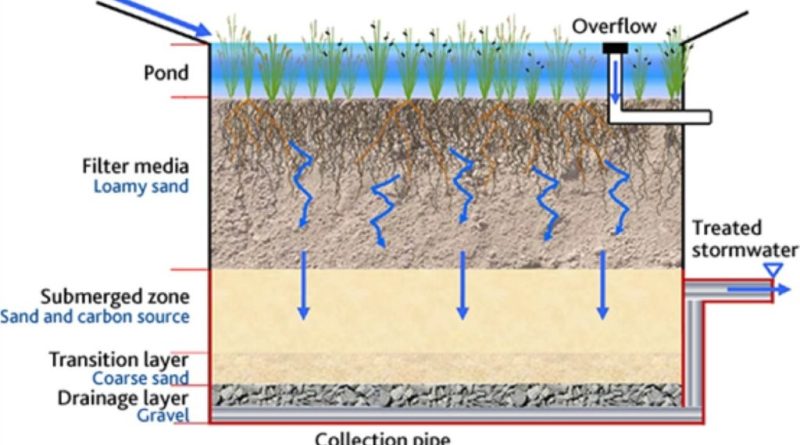
Kingston City Council is renewing 109 of its 197 raingardens in 2026–27, with 88 having been renewed in 2024-25, pairing evidence‑based plant selection with hands‑on horticultural training and a friendly ‘beautification’ competition across crews. The result: robust biofilters that look good, are easy to maintain, and keep tonnes of sediment, nutrients and pollutants out of local creeks and Port Phillip Bay.Continue reading

Read More
Business FileEditorial

Understanding and overcoming ‘Imposter Syndrome’

By John Corban

Imposter syndrome is the feeling that you are not as capable, qualified or deserving as others think you are, even when there is clear evidence that you are. It is that internal voice that says, ‘I don’t really know what I’m doing… I’ve just been lucky.’Continue reading

Read More
Plant PalettePlants

The hidden harvest

By Caleb Roberts

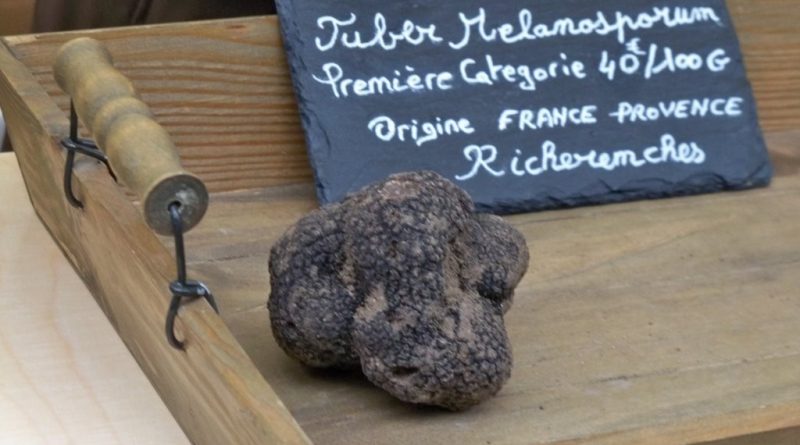
Botanical name: Tuber melanosporum

Common name(s): Black truffle, Périgord truffle, French black truffle

Family: Tuberaceae

Origin or native range: Found naturally in European forests, the black truffle’s highest producing countries remain Spain, France and Italy.… Continue reading

Read More
EditorialGreener Spaces Better Places Update

GREENER SPACES BETTER PLACES

Funded by the nursery levy, the Greener Spaces Better Places program is driving sales by educating Australians on the benefits of plants, and inspiring them to head to their local nursery to learn more.


Building on the success of The Plant Value Report, this quarter has focused on keeping plants and their value top of mind in mainstream and social media, while supporting retail nurseries to drive sales.… Continue reading

Read More
Urban Green InfrastructuresUrban Greening

The structure behind greening

By Michael Casey

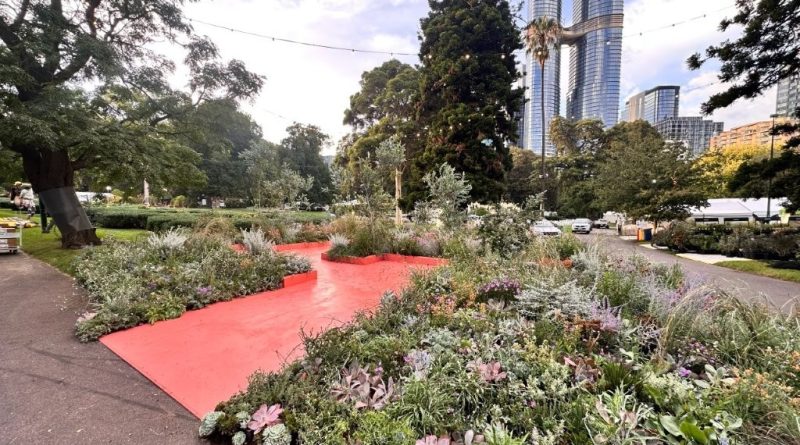
When we speak about successful greening projects, the conversation often leans quite naturally towards planting design, species selection, colour, texture and seasonal interest. Yet, in many of what I call ‘structurally installed landscapes’, the real foundation of success sits elsewhere, and that is in the integrity of the system supporting it all.Continue reading

Read More