Sunday, February 15, 2026

landscape

PlantsSaltbushes of the world

Saltbushes of the world

By Clive Larkman

Plants are divided into a series of logical groups based on their botanical characteristics, a result of the work commenced by noted Swedish botanist and physician Carl Linnaeus in the early 18th century. Since that time, the science of classifying plants has developed greatly, and the decisions to move plants into or out of taxonomic categories are made based on increasingly smaller differences, thus becoming more technical.Continue reading

Read More
Bush FoodPlants

Australian native edimentals – here to stay

By Jennifer McQueen

During Covid, as isolating households experimented with vegetable seedlings and graduated to fruit trees, Australian native edimentals began to catch the public imagination. ‘Covid shifted the perception of native edimentals from “hippy fringe” to mainstream curious,’ says Mark Tucek, founder of Tucker Bush.Continue reading

Read More
EditorialEditors editorial

Equipping ourselves for a changing industry

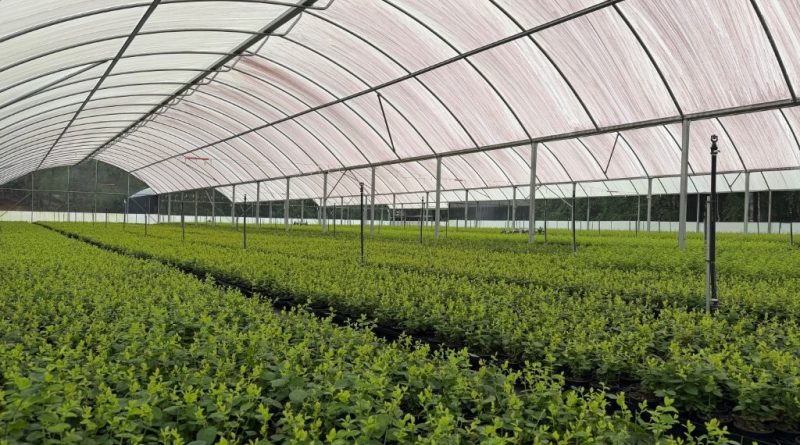
In this issue, we focus on the theme of technological advancement, be that greenhouses, equipment and/or artificial intelligence. In a fitting segue from our last issue which focussed on professional development, Patrick Regnault has taken the word equipment to mean: ‘to equip oneself with knowledge’.Continue reading

Read More
Artificial IntelligenceEditorial

The intelligent canopy: How AI Is changing urban greening

By Michael Casey

As artificial intelligence moves into city planning and landscape design, a new partnership is emerging between data and horticulture.

Artificial intelligence is a phrase that can sound cold and mechanical, far removed from the soil, roots and living systems we are all accustomed to.… Continue reading

Read More
LandscapeLandscape Design

Plant community paradigms: The missing links in design

By Erik van Zuilekom

The polarised debate over native versus exotic species frequently misses the fundamental question: does the landscape function as an integrated ecology, or merely as a collection of isolated individuals?¹  Plant failure in professional landscapes may occasionally stem from poor species choice, though it most frequently emerges from inappropriate ecological integration.Continue reading

Read More
EditorialNewsbuds

Greening more resilient cities with Woody Meadows

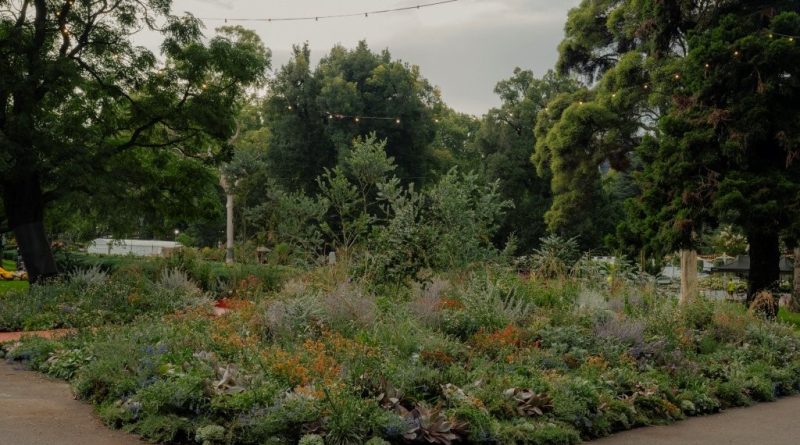
A pioneering, urban-greening approach transforming Australian cities into vibrant and biodiverse spaces has been released to the public, empowering home gardeners and land managers with over a decade of research and knowledge in native plant design and management.

Developed at the University of Melbourne, ‘Woody Meadows’ are redefining how councils, communities and developers design and maintain landscapes – turning concrete jungles into thriving green spaces.… Continue reading

Read More
Business FileEditorial

Update on superannuation tax changes for large balances

By Tara Cuddihy

This article builds on my recent story about the proposed tax on superannuation balances over $3 million under the Better Targeted Superannuation Concessions (BTSC) policy (see Hort Journal, July 2025). The proposal sparked considerable concern among Australians, particularly those with Self-Managed Super Funds (SMSFs) invested in non-residential properties, including farming land.Continue reading

Read More
EditorialNursery Papers

Nursery Papers

Keeping Xylalla Fastidiosa out of Australia

What every nursery can do now

Imagine losing your entire crop – and your market – to one unseen disease.

That’s what growers overseas have faced with Xylella fastidiosa, one of the world’s most damaging plant pathogens.… Continue reading

Read More
AdvertorialEditorial

7 best groundcovers for year-round flowers

By Daniel Fuller

For specifiers, flowers are important for several reasons. Of course they provide aesthetic value, but they also provide environmental support for pollinators. Flowers also attract biological pest control including the adult life-forms of predatory flies and parasitic wasps, whose larvae are incredibly effective at keeping sap-sucking and munching pest populations under control.Continue reading

Read More
EditorialIndustry Event

Celebrating the 2025 Landscape Excellence Awards winners

The Landscape Association (TLA) has announced the outstanding winners of the 2025 Landscape Excellence Awards, proudly sponsored by Glazed Co. Presented at a sold-out gala dinner at Sydney’s Doltone House on Friday 7 November, the event brought together more than 550 members, sponsors, suppliers and industry professionals to celebrate the very best in landscape design, construction and maintenance across NSW and the ACT.Continue reading

Read More